Is Red Light Therapy Worth the Investment

Table of Contents
- What Red Light Therapy Actually Does
- The Science Behind Red Light Therapy
- How Long Does Red Light Therapy Take to Show Results
- At-Home vs Professional Red Light Therapy
- Red Light Therapy Device Safety Standards
- Calculating the Real Cost of Red Light Therapy
- Is Red Light Therapy Worth the Investment for You
- Conclusion
Last Updated: August 24, 2026
What Red Light Therapy Actually Does
Red light therapy, also known as photobiomodulation, uses specific wavelengths of red and near-infrared light to interact with cells and tissues. Red light typically falls within the visible red portion of the spectrum, while near-infrared light uses longer wavelengths that can penetrate more deeply into tissue. Researchers continue to study exactly how photobiomodulation produces its effects, but mitochondrial activity and cellular signaling are believed to play important roles.

Unlike ultraviolet (UV) light associated with sun exposure and tanning, red and near-infrared light do not work by intentionally damaging the skin or producing a tan. Photobiomodulation instead delivers selected wavelengths of light for controlled periods of time. Depending on the device, treatment area, wavelength, and power output, the light may be used for surface-level applications or to reach somewhat deeper tissues.
The wavelength matters because different wavelengths interact with tissue differently. Visible red light is commonly used for applications closer to the skin's surface, while near-infrared wavelengths generally penetrate more deeply. Wavelength alone, however, does not determine whether a device will be effective. Irradiance, treatment duration, distance from the light source, treatment area, and frequency of use can all influence the amount of light energy delivered to tissue.
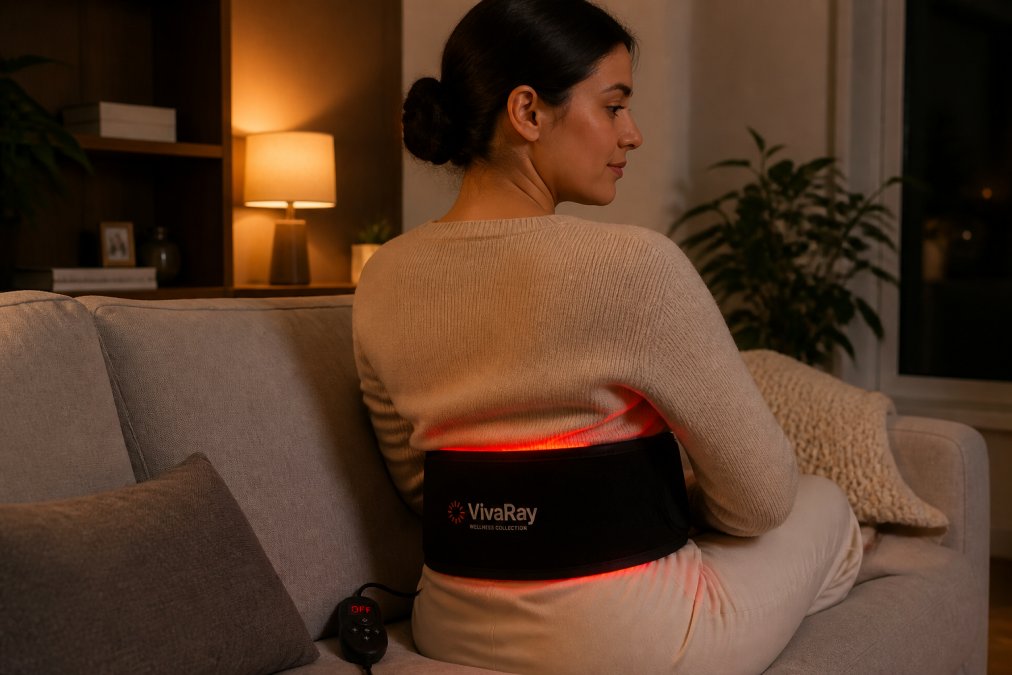
Research into photobiomodulation has explored its potential effects on cellular activity, inflammation, tissue recovery, skin health, and other applications. Results vary considerably depending on the condition being studied and the treatment protocol used. For consumers, this makes red light therapy best viewed as a supportive wellness technology rather than a cure-all: its potential value depends on choosing an appropriate device, using it consistently, and following a sensible treatment protocol.
The Science Behind Red Light Therapy
Understanding the science behind red light therapy can help consumers compare devices and evaluate marketing claims. Two important factors are irradiance—the amount of light power delivered to a given area, commonly measured in milliwatts per square centimeter (mW/cm²)—and dose, which reflects how much light energy is delivered over time. Wavelength, treatment duration, distance from the light source, and frequency of use can also affect the amount of light that reaches the targeted area.
Research into photobiomodulation has examined how red and near-infrared light interact with cells. One proposed mechanism involves cytochrome c oxidase, an enzyme associated with the mitochondrial electron transport chain. Researchers have investigated how the absorption of red and near-infrared light may influence mitochondrial activity, cellular signaling, and processes involved in energy production. These mechanisms continue to be studied as scientists work to better understand how different wavelengths and doses affect different tissues.
More light is not necessarily better. Photobiomodulation research suggests that outcomes can depend heavily on wavelength, irradiance, treatment duration, and total dose. This means two devices that both produce visible red light may deliver very different amounts of light energy to the body. When comparing devices, specifications such as wavelength and output can therefore provide useful information, especially when accompanied by clear instructions for treatment time and frequency.
Clinical research has explored photobiomodulation for a variety of applications, including skin health, exercise recovery, discomfort, and tissue-repair processes. Evidence is stronger for some applications than others, and study protocols vary considerably. Rather than viewing red light therapy as producing the same result for everyone, it is more accurate to consider the specific application, device characteristics, treatment protocol, and available evidence for the intended use.

How Long Does Red Light Therapy Take to Show Results
There is no single timeline for seeing results from red light therapy. Depending on the application, some people may notice changes relatively quickly, while other potential benefits may require weeks of consistent use. Treatment goals, wavelength, light intensity, session length, frequency of use, and individual response can all influence how quickly—or whether—a noticeable change occurs.
Research also uses different treatment schedules depending on what is being studied. Skin-focused applications, exercise recovery, and localized discomfort, for example, may involve different wavelengths, doses, and treatment schedules. Because of these differences, a timeline reported for one application should not automatically be applied to another. Be cautious of devices that promise a specific result within a guaranteed number of days or sessions.
Consistency is generally more important than expecting an immediate response. Red light therapy is commonly used through repeated sessions according to the device manufacturer's instructions rather than as a one-time treatment. Following the recommended treatment time and frequency is also important, since using a device for longer periods or more frequently does not necessarily produce better results.
If you're considering red light therapy as an investment, think in terms of a trial period rather than expecting an overnight change. Choose a specific goal, follow the recommended protocol consistently, and periodically assess whether you're noticing a meaningful difference. This makes it easier to determine whether red light therapy is providing enough value to justify making it part of your ongoing routine.
At-Home vs Professional Red Light Therapy
Choosing between an at-home red light therapy device and professional sessions often comes down to convenience, cost, treatment goals, and the equipment being used. Professional settings may offer larger or more powerful devices, along with guidance on treatment protocols. At-home devices, meanwhile, make it easier to incorporate red light therapy into a regular routine without scheduling appointments or traveling to a clinic.
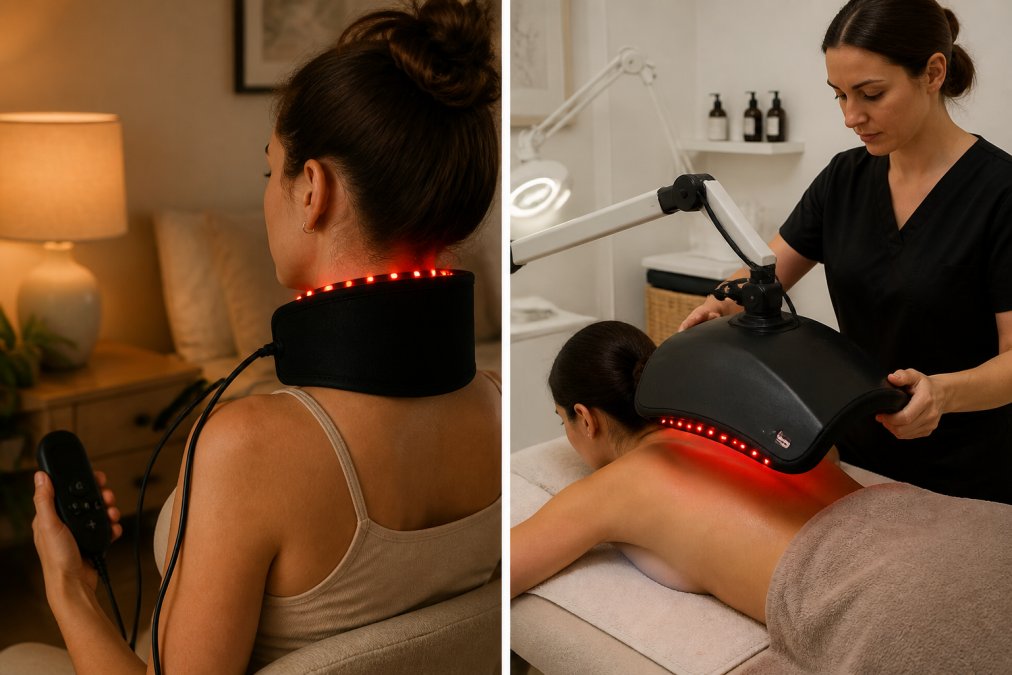
One of the biggest advantages of at-home red light therapy is accessibility. A device is available whenever you want to use it, which can make consistent use easier. Professional sessions eliminate the need to purchase and store equipment, but each treatment generally requires an appointment and an additional expense. Neither setting automatically guarantees better results; the device, treatment protocol, and intended application all matter.
At-home devices also vary considerably in size and design. Large panels can expose broader areas of the body, while wearable and targeted devices are designed to position the light over a particular area. For someone primarily interested in treating a specific area, a targeted device may be more practical than purchasing a large full-body system.
Quality matters regardless of where red light therapy is used. When comparing options, consider the intended use, available technical specifications, recommended treatment protocol, warranty, safety information, and manufacturer's instructions. A higher price or a professional setting alone does not establish that one device will be more appropriate for your particular goals.
For those interested in trying red light therapy, at-home devices can offer a convenient entry point. VivaRay Red Light Therapy includes wearable and targeted options designed for convenient home use. Products such as the LumaWrap illustrate one advantage of this approach: instead of positioning yourself in front of a large panel, a wearable device can be placed around the area where you want to use red light and heat therapy.

Red Light Therapy Device Safety Standards
Safety and transparency are important considerations when comparing red light therapy devices. In the United States, some photobiomodulation products are regulated by the FDA as medical devices based on their intended use and the claims made for them. Other products may be marketed for general wellness rather than for diagnosing, treating, curing, or preventing a disease. Consumers should therefore be cautious about assuming that every red light product has the same regulatory status.
FDA clearance should also be understood correctly. For many Class II medical devices that go through the 510(k) process, clearance generally means the FDA determined that the device is substantially equivalent to an appropriate legally marketed device for its specified intended use. FDA clearance should not be interpreted as a guarantee that a device will produce a particular result for every user.
When comparing devices, look for clear information about the intended use, operating instructions, wavelengths provided, treatment times, safety precautions, and other technical specifications made available by the manufacturer. Be particularly cautious of products that promise guaranteed results, claim to cure numerous unrelated conditions, or provide little information about how the device should be used.
Safe use also depends on the particular device and where it is being used. Follow the manufacturer's instructions regarding treatment duration, frequency, placement, heat settings, and eye protection when applicable. More frequent or longer exposure should not be assumed to produce better results. Because devices differ, the safety instructions supplied with the specific product should take precedence over generalized red light therapy advice found online.
Red light therapy may not be appropriate for everyone. People who take medications that increase sensitivity to light, have conditions affected by light exposure, are being treated for a medical condition, or have questions about using a device around the eyes should seek guidance from a qualified healthcare professional before use. Choosing a device with clear instructions, safety information, and transparent specifications can help consumers make a more informed decision.
Calculating the Real Cost of Red Light Therapy
Understanding the real cost of red light therapy means looking beyond the initial price. An at-home device generally requires an upfront purchase, while professional treatments involve paying for individual sessions or treatment packages. Which option represents the better value depends largely on how often you plan to use red light therapy and for how long.
At-home devices vary considerably in price, size, features, and intended use. A large panel can represent a substantial investment, while smaller wearable or targeted devices may provide a more accessible starting point. Once an at-home device has been purchased, ongoing expenses are generally limited compared with repeatedly paying for appointments.
Professional treatment takes a different financial approach. Prices vary by provider, location, equipment, treatment area, and whether sessions are purchased individually or as part of a package. In addition to the treatment price, consider less obvious costs such as travel time, transportation, and the need to schedule appointments.
One useful way to compare the options is to calculate your expected cost per use. For example, a $150 at-home device used three times per week for one year would be used approximately 156 times, resulting in an equipment cost of less than $1 per session during that first year. Continue using the same device into a second year and the equipment cost per use drops further. A device that is rarely used, however, can be expensive on a per-use basis regardless of its purchase price.
This is why the best value isn't necessarily the least expensive device—or the most expensive one. Consider what area you actually want to target, how frequently you're realistically likely to use the device, whether its design makes regular use convenient, and how long you expect to keep using it. A red light therapy device becomes a worthwhile investment only when its cost, features, and actual use align with your goals.
Is Red Light Therapy Worth the Investment for You
So, is red light therapy worth the investment? For some people, it can be—particularly when they have a specific reason for using it, realistic expectations, and a device that is convenient enough to use consistently. For others, the cost may be difficult to justify. The answer depends less on the popularity of red light therapy and more on what you expect from it and how likely you are to make it part of your routine.
Start by identifying what you actually want from red light therapy. A specific goal—such as incorporating targeted light therapy into an exercise-recovery or general wellness routine—is easier to evaluate than simply hoping to “feel better.” Establishing your goal beforehand gives you something meaningful to assess after you've used the device consistently according to its instructions.
Convenience deserves more consideration than it often receives. A technically impressive device provides little value if its size, setup, or treatment routine makes you reluctant to use it. For some people, a large panel may be the right choice. Others may prefer a wearable or targeted device that can be incorporated more easily into an existing routine. The best format is the one that fits both your intended use and your lifestyle.
Red light therapy should also be viewed as a supplement to—not a replacement for—foundational health practices. Sleep, nutrition, physical activity, appropriate medical care, and recovery habits remain important regardless of whether you use a red light device. Be skeptical of marketing that presents photobiomodulation as a cure-all or promises dramatic results for a wide range of unrelated conditions.
Ultimately, red light therapy is most likely to represent a worthwhile investment when three things come together: you have a clear reason for using it, you choose an appropriate device, and you are willing to use it consistently according to the manufacturer's instructions. If those pieces don't align, even an expensive device may provide little practical value. If they do, an at-home device can offer a convenient way to incorporate red light therapy into an ongoing wellness routine.
Conclusion
Red light therapy can be worth the investment when the device matches your goals, fits comfortably into your routine, and is used with realistic expectations. Research into photobiomodulation continues to explore a range of potential applications, but results vary by device, treatment protocol, intended use, and individual response. That makes it important to look beyond dramatic marketing claims and evaluate what a device actually offers.
For at-home use, convenience can be a major part of the value. A wearable or targeted device that you can use consistently may make more practical sense than equipment that is expensive, cumbersome, or difficult to incorporate into your routine. Before buying, consider the treatment area, available specifications, manufacturer's instructions, safety information, warranty, and how frequently you realistically expect to use the device.
If targeted, at-home red light therapy fits what you're looking for, explore the VivaRay collection to compare wearable options designed for convenient use at home.
Frequently Asked Questions
What is the downside of red light therapy?
The main downsides of red light therapy are the upfront cost of a device, the time and consistency required for regular use, and the fact that results vary from person to person. It also isn't appropriate for every situation. Device instructions and safety precautions should be followed carefully, and people who take medications that increase sensitivity to light, have conditions affected by light exposure, or have concerns about using a device near the eyes should seek guidance from a qualified healthcare professional before use.
How long does red light therapy take to show results?
There is no universal timeline for seeing results from red light therapy. The time required can vary based on the intended application, wavelength, light intensity, treatment duration, frequency of use, and individual response. Some applications may involve repeated use over a period of weeks, while others follow different protocols. Rather than expecting results within a guaranteed number of days, follow the device manufacturer's instructions consistently and evaluate whether you notice a meaningful change over time.
Is red light therapy considered scientifically backed?
Yes, photobiomodulation has been the subject of substantial scientific research, but the strength of the evidence varies by application. Researchers have studied how red and near-infrared light may influence cellular activity and have investigated its use in areas such as skin health, exercise recovery, discomfort, and tissue-repair processes. However, results depend on factors including wavelength, dose, treatment protocol, and the condition being studied. Scientific support for one application should not be assumed to prove every claim made about red light therapy.
What should I look for when choosing a red light therapy device?
Look for a device that clearly explains its intended use, wavelengths, operating instructions, recommended treatment times, safety precautions, warranty, and other available technical specifications. Also consider the treatment area and how practical the device will be to use consistently. A wearable or targeted device may make sense for a specific area, while a larger panel may be preferable for broader coverage. Be cautious of products that promise guaranteed results or make sweeping health claims without adequate supporting information.