How to Spot Greenwashing in Home Goods

Table of Contents
- What Greenwashing Looks Like in Home Goods
- Red Flags: Common Greenwashing Buzzwords to Avoid
- Sustainability Certifications for Home Goods: What Actually Matters
- How to Read Product Labels and Verify Environmental Claims
- What FTC Green Guides Say About Environmental Claims
- Greenwashing Examples in Home Goods: What to Watch For
- Your Action Plan: Five Steps to Verify Before You Buy
- Conclusion
Last Updated: August 28, 2026
What Greenwashing Looks Like in Home Goods
Greenwashing is the practice of using misleading or exaggerated environmental claims to make a product or brand appear more environmentally responsible than the evidence supports. In the home goods market, it can take the form of vague language, nature-inspired imagery, selective claims about materials, or environmental benefits presented without enough information for shoppers to evaluate them.
Consumers increasingly want to make responsible choices, which makes environmental language a powerful marketing tool. A cutting board labeled “eco-friendly,” for example, may have meaningful environmental attributes—or the claim may refer only to one small aspect of the product or its packaging. Without specific information about materials, sourcing, manufacturing, durability, and disposal, shoppers may have little basis for judging what the claim actually means.
Greenwashing can take several recognizable forms: earth-tone packaging and nature imagery that imply environmental benefits; claims such as “natural” or “green” without explaining what those terms mean; and selective information that highlights one favorable product attribute while leaving other important details unclear. Kitchen utensils, serving boards, and tableware deserve the same scrutiny as other home goods because materials that look natural are not automatically responsibly sourced or environmentally preferable.

Understanding how greenwashing operates is the first step toward spotting it.
Red Flags: Common Greenwashing Buzzwords to Avoid
Certain words appear repeatedly on products marketed as sustainable, yet they carry little weight without supporting evidence.
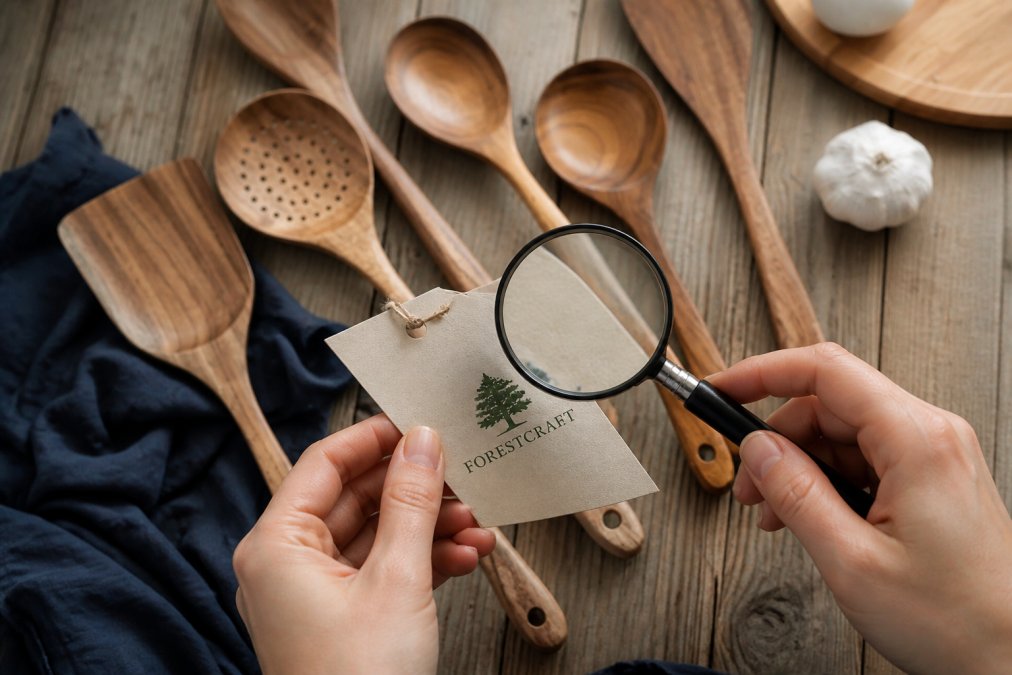
"Eco-friendly" is one of the broadest terms used in environmental marketing. By itself, it does not tell shoppers which environmental attribute is being described or how significant the benefit may be. A product might use recycled packaging, for example, while the environmental impact of its materials, manufacturing, transportation, or disposal remains unexplained. When you encounter an “eco-friendly” claim, look for specifics: What exactly makes the product environmentally preferable, and what evidence supports that claim?
"Natural" can also create an environmental impression without providing enough information to evaluate a product. A natural material is not automatically renewable, responsibly sourced, durable, or environmentally preferable. For wooden home goods, factors such as the wood species, sourcing practices, manufacturing, and expected lifespan provide more useful information than the word “natural” alone.
"Green" is another broad term that can suggest environmental responsibility without identifying a specific benefit. Rather than relying on the word itself, look for supporting information about materials, sourcing, manufacturing practices, packaging, durability, or other measurable attributes.
"Sustainable" is meaningful only when a company explains what aspect of the product or process the claim refers to. For example, a brand might provide information about responsible material sourcing, reduced packaging, manufacturing practices, durability, or waste reduction. A broad sustainability claim without supporting details gives shoppers little information to evaluate.
"Responsibly sourced" and "ethically made" can communicate worthwhile goals, but shoppers should still look for details explaining the standards behind those claims. Third-party certification can provide useful independent verification, but companies may also support claims with documented sourcing policies, supplier standards, traceability information, or other evidence.
The common issue isn't necessarily the words themselves—it's whether the company provides enough specific, verifiable information to support them. Broad environmental language should be a starting point for further investigation, not the sole reason to consider a product sustainable.
Sustainability Certifications for Home Goods: What Actually Matters
Environmental certifications and seals can provide useful information, but they don't all evaluate the same things or apply the same standards. When you see a certification on a home product, identify the organization behind it, what attributes it evaluates, and whether independent verification is involved. A certification is most useful when shoppers can understand exactly what it verifies.
Forest Stewardship Council (FSC) certification is particularly relevant to wood and other forest-based products. FSC Forest Management certification applies standards for responsible forest management, while FSC Chain of Custody certification tracks eligible forest-based materials through processing, manufacturing, and distribution. For shoppers evaluating wooden home goods, an FSC label can provide independent verification that the forest-based materials meet applicable FSC requirements.
Cradle to Cradle Certified® evaluates products using defined standards related to material and product sustainability. Its Full Scope Product Standard assesses products across multiple categories rather than relying on a single environmental attribute. For consumers, the certification can provide additional information about how a product has been evaluated against published requirements.
Third-party certification can strengthen an environmental claim, but the absence of certification does not automatically mean a product is unsustainable or that a claim is misleading. Certifications can involve costs, eligibility requirements, and standards that apply only to particular materials or environmental attributes. When certification isn't available, look for other supporting information such as specific material descriptions, sourcing details, documented standards, testing, or clearly explained environmental claims.
Most importantly, understand what a certification actually covers. A seal related to responsible forest sourcing, for example, should not be interpreted as proof of every environmental attribute of the finished product. Treat certifications as evidence about specific claims—not as a blanket guarantee that a product is environmentally preferable in every respect.
How to Read Product Labels and Verify Environmental Claims
Product labels are where greenwashing becomes visible or hides in plain sight.
Start by looking for specificity. Broad terms such as “eco-friendly” tell you very little on their own. More useful product information identifies the particular material, environmental attribute, or practice being described and provides enough detail for the claim to be evaluated. As a general rule, the more specific the claim, the easier it is for shoppers to understand exactly what is—and isn't—being promised.
Percentages can provide important context. “Contains recycled materials,” for example, communicates less information than a claim that identifies the percentage of recycled content. When a product makes a quantitative environmental claim, look for enough detail to understand what portion of the product, packaging, or material the percentage actually describes.
Material composition should be clearly described. For wooden home goods, knowing the wood species—such as teak, acacia, or olive wood—helps shoppers understand what the product is actually made from. Material identification alone does not establish that a product is sustainable, however. Sourcing practices, manufacturing, durability, and other factors may also matter when evaluating environmental claims.
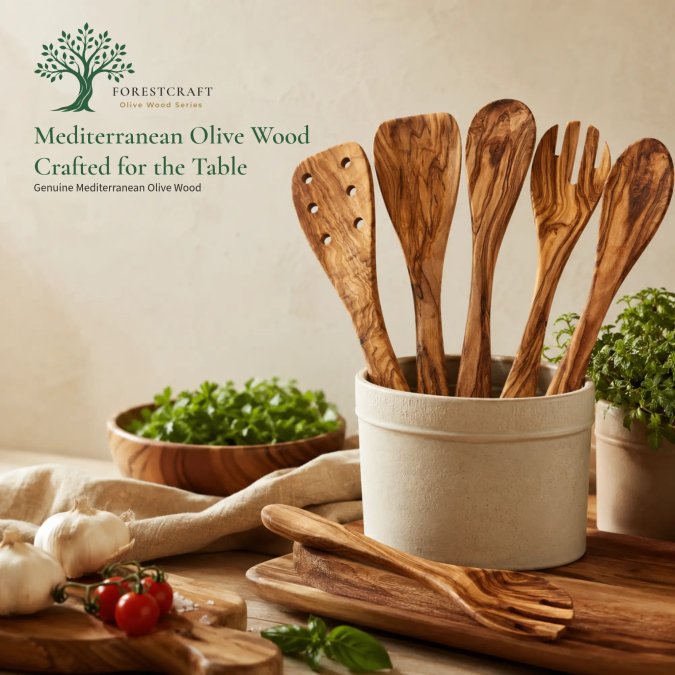
Manufacturing and supply-chain information can provide additional context. Details about where a product is made, where important materials originate, or what sourcing standards are followed can help shoppers evaluate environmental claims. Not every company publishes the same level of supply-chain information, so the absence of a particular detail should prompt further questions rather than automatically be treated as evidence of greenwashing.
Look for imagery that implies more than the product information supports. Forests, leaves, earth tones, and other nature-inspired imagery can create an environmental impression, but visual presentation is not evidence of environmental performance. Evaluate the actual product information and supporting claims rather than relying on packaging aesthetics.
Read qualifications and fine print carefully. Environmental claims may include important details explaining which part of a product the claim applies to, what percentage of a material is included, or what limitations apply. Those qualifications can substantially change the meaning of a headline claim.
When evaluating home goods, focus on specific information over environmental impressions. Clear material descriptions, appropriately qualified claims, supporting evidence, and relevant certifications can help you distinguish useful product information from marketing language that tells you very little.
What FTC Green Guides Say About Environmental Claims
The Federal Trade Commission's Green Guides provide guidance to marketers about avoiding environmental claims that may be unfair or deceptive. Although the guides are written primarily for businesses, they can also help shoppers understand what responsible environmental marketing should look like.
A central principle of the Green Guides is that environmental claims should be supported by appropriate evidence and clearly communicate what environmental benefit is being claimed. Broad, unqualified claims can be misleading when consumers may reasonably interpret them to imply environmental benefits that the marketer cannot substantiate.
Qualifications matter. A claim should make clear whether it applies to the entire product, a particular component, or its packaging. Terms such as “recyclable,” “recycled content,” and “degradable” describe different environmental attributes and should not be treated as interchangeable. Details and limitations surrounding a claim can be just as important as the environmental term itself.
Environmental certifications and seals can also create broad impressions about a product. The FTC cautions marketers to avoid using certifications or seals in ways that imply environmental benefits beyond what they actually represent. For shoppers, that means looking beyond the logo itself to understand who issued it and what specific attribute or standard it addresses.
The practical takeaway is simple: look for environmental claims that are specific, appropriately qualified, and supported by evidence. A claim that clearly explains what it refers to gives shoppers much more useful information than a broad promise that a product is simply “green” or “eco-friendly.”
Greenwashing Examples in Home Goods: What to Watch For
Greenwashing can be easier to recognize when you see how common marketing tactics might appear on home goods. The following examples illustrate situations where environmental messaging deserves a closer look.
Nature-inspired packaging can create an environmental impression before a shopper reads a single claim. A product might arrive in a cardboard box featuring forests, leaves, or phrases such as “eco-conscious,” while providing little information about the materials or environmental attributes of the product itself. Packaging aesthetics should not be mistaken for evidence about a product's environmental impact.
Vague material claims can make it difficult to evaluate wooden home goods. A spoon described simply as “natural wood,” for example, tells you very little about the wood species, sourcing, construction, or finish. More specific material information gives shoppers a better foundation for evaluating additional environmental claims.
The “natural” assumption can lead shoppers to equate natural materials automatically with environmental responsibility. Wood, bamboo, cotton, stone, and other natural materials can have very different environmental impacts depending on how they are sourced, processed, manufactured, transported, used, and eventually discarded. “Natural” describes a characteristic of a material—not the complete environmental story of a product.
Unsupported sustainability claims deserve closer examination. If a company describes a product as “sustainable,” look for an explanation of what the claim refers to and what evidence supports it. That support might include relevant certification, sourcing information, material specifications, measurable improvements, or other documentation. The important issue is not whether a particular logo appears on the package, but whether the environmental claim can be meaningfully evaluated.
Selective environmental claims can focus attention on one favorable attribute while leaving shoppers with the impression that it represents the entire product. For example, a manufacturer might prominently advertise recycled packaging without clearly distinguishing that claim from the materials used in the product itself. Ask what part of the product or process each environmental statement actually describes.
These examples have something in common: the environmental impression may be broader than the evidence being presented. When marketing language, imagery, or individual product attributes suggest an overall environmental benefit, look for specific information that explains and supports that impression.
Your Action Plan: Five Steps to Verify Before You Buy
You don't need to become an expert in environmental standards to evaluate every product. A few practical checks can help you determine whether an environmental claim provides meaningful information or simply creates a favorable impression.

Step 1: Check relevant third-party certifications. If a product displays a recognized certification, identify the organization that issued it and what the certification actually covers. For wood products, for example, an FSC label may provide information about forest-based materials and their chain of custody. When possible, visit the certifying organization's website to learn what its standards mean rather than relying on the seal alone.
Step 2: Look for useful sourcing and manufacturing information. Check the product description and manufacturer's website for details about materials, country of origin, sourcing practices, manufacturing, or other information relevant to the environmental claim being made. Not every company discloses the same information, but specific details give you more to evaluate than broad environmental promises.
Step 3: Read the material specifications, not just the marketing copy. Determine what the product is actually made from. For wooden home goods, look for the specific wood species rather than descriptions such as “natural wood.” Then distinguish between a factual material description and a separate environmental claim about how that material was sourced or produced.
Step 4: Consider durability and expected lifespan. Environmental evaluation isn't limited to labels and certifications. A product that performs well and remains useful for a long time may reduce the need for frequent replacement. When shopping for kitchenware, consider construction, materials, care requirements, warranties, and other indicators of durability. Our guide to identifying durable wooden kitchenware explains what to look for in wooden utensils and related products.
Step 5: Verify important claims independently. If an environmental claim affects your purchasing decision, look beyond the product page for supporting information. Check the website of the organization responsible for a certification, review relevant government guidance, or look for documentation that explains how the claim was measured or verified. Independent confirmation is especially useful when a claim is broad or difficult to evaluate from the packaging alone.
These five steps move you from passive reading of labels to active verification of claims.
The goal isn't to find a perfect product—it's to make better-informed comparisons based on evidence rather than impressions.
Conclusion
Greenwashing can make responsible shopping more difficult because environmental language and imagery may create impressions that aren't always supported by specific information. Learning how to spot greenwashing in home goods means looking beyond broad claims and asking practical questions about materials, sourcing, manufacturing, certifications, and the evidence behind environmental statements.
The cutting boards, utensils, serving pieces, and tableware you bring into your home can be evaluated using the same basic principles: identify what the product is made from, look for specific rather than vague claims, understand what certifications actually verify, and consider durability and expected lifespan. When an environmental claim matters to your decision, look for enough supporting information to evaluate it for yourself.

At ForestCraft Kitchenware, we believe shoppers should know what they're buying. That's why our product descriptions identify materials such as teak, acacia, olive wood, bamboo, and other woods rather than relying solely on broad environmental language. When choosing wooden kitchenware, consider the material, construction, intended use, care requirements, and expected durability alongside any environmental claims.
Frequently Asked Questions
What are the most obvious red flags of greenwashing in home decor?
Common red flags include broad terms such as “eco-friendly,” “natural,” “green,” or “sustainable” without enough information to explain what they mean. Nature-inspired imagery can also create an environmental impression without providing evidence. Look for specific claims about materials, sourcing, manufacturing, recycled content, or other environmental attributes, and check whether those claims are appropriately qualified and supported.
How can I verify environmental claims made by home goods brands?
Start by identifying exactly what the environmental claim says and what part of the product it applies to. Look for specific material and sourcing information, relevant third-party certifications, measurable details, or documentation supporting the claim. If a certification is displayed, check the certifying organization's website to understand what it actually verifies. For important purchasing decisions, compare the manufacturer's claim with independent or government guidance when available.
How useful are third-party certifications for evaluating sustainable home products?
Reputable third-party certifications can provide valuable independent evidence, but they usually verify specific attributes rather than proving that a product is sustainable in every respect. FSC certification, for example, can provide information about qualifying forest-based materials, while other certifications address different environmental attributes. Always identify who issued the certification, what standards it uses, and exactly what part of the product or process it covers.
What should I look for in a brand's transparency about sustainability?
Look for information that helps you understand and evaluate the claim being made. That may include specific materials, sourcing information, manufacturing details, certifications, percentages, testing, or clearly explained environmental goals. Not every company provides the same level of disclosure, so missing information alone doesn't prove greenwashing. The key question is whether the company provides enough relevant evidence to support the environmental claims it chooses to make.